Clay Alternatives: 7+ Tools to Replace Clay in 2026
Quick Summary
Clay's price increases have prompted many GTM teams to look for alternatives. The best options in 2026 include MoltSets for API-first agent workflows, Apollo.io for full-suite prospecting, and UpLead for high-accuracy verified data. Your best pick depends on your use case — and whether you're building for humans or AI agents.
The GTM Tool Stack Is Changing, And Clay Is Getting Left Behind
Clay hasn't necessarily become a bad product. It's no longer the obvious answer for every GTM team. The rise of AI-native GTM workflows is fast reshaping how GTM teams build prospecting systems. Clay is starting to look like a product built for spreadsheet-driven workflows instead of API-first ones.
However, many agencies still depend on its waterfall enrichment, multi-source data, and a workflow builder that can do almost anything. But all that power comes at a price. And lately, that price has been skyrocketing. Agencies are getting squeezed. Growth teams are navigating a tool that's 10x more complex than their use case requires.
Why Listen to Us
MoltSets is built by the team behind RB2B, one of the fastest-growing website visitor identification tools in B2B. We've spent years in the GTM data space, and recently we've watched two forces collide in real time:
Clay's price increases alienating the agencies and high-volume teams that built on it
The explosion of Claude Code and AI agent adoption changing how GTM workflows are built entirely.
MoltSets is the data layer that fills the gap between them.
A Brief Clay Overview
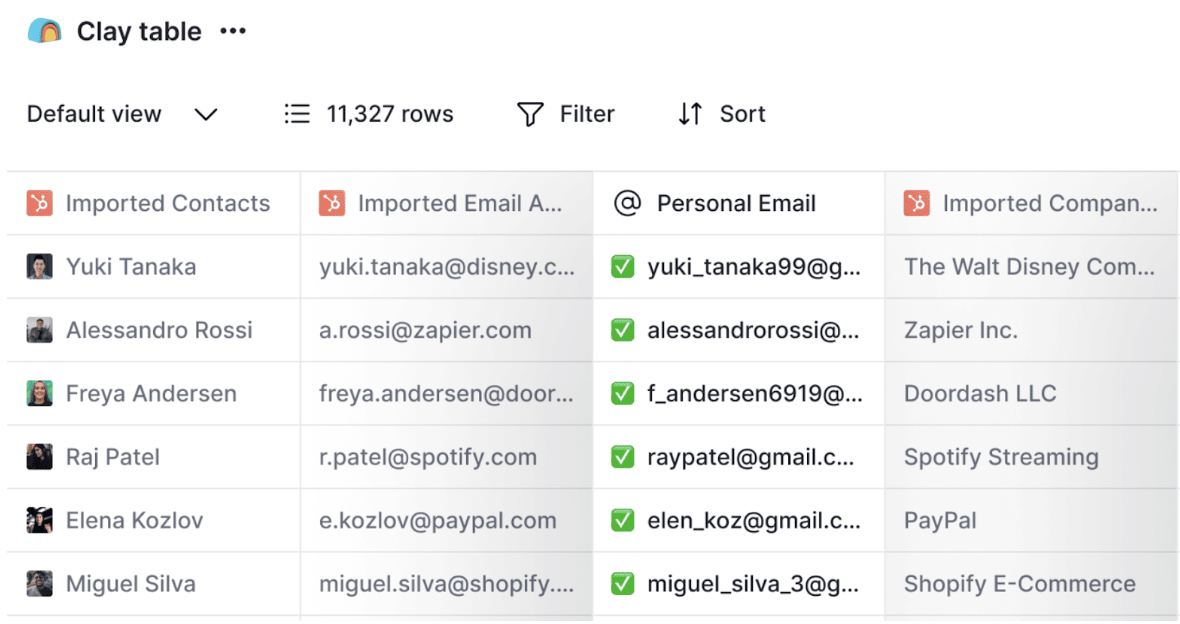
Clay is a GTM data enrichment and list-building platform that allows teams to enrich company and contact data using multiple providers. This includes emails, phone numbers, LinkedIn data, technographics, and firmographics.
Beyond enrichment, Clay offers a flexible workflow builder that enables teams to:
Build multi-step automations
Trigger actions based on data signals
Generate AI-driven personalization
Sync data directly to CRM systems
For teams needing both enrichment and orchestration, Clay is a powerful, category-defining platform. However, not all teams require this level of flexibility, and the added complexity can be unnecessary for simpler use cases.
Why Should You Look for a Clay Alternative?
There are a few distinct reasons teams start searching for Clay alternatives. Here are the top ones:
Pricing
Clay's usage-based pricing can become expensive at scale, especially when multiple data providers are involved.
Complexity for Simple Use Cases
For basic enrichment needs, Clay's workflow builder may feel excessive compared to simpler tools or direct API solutions.
Programmatic and AI-driven workflows
Clay has APIs. But its product assumes a human sitting in front of a workflow builder. That's a different design philosophy than a modern API-first infrastructure.
Vendor lock-in concerns
Relying on a single platform for enrichment and workflows can create cost and flexibility risks as usage grows.
8 Clay Alternatives Compared
1. MoltSets
Best for: GTM teams running AI agent workflows, Claude Code automation, and API-first enrichment
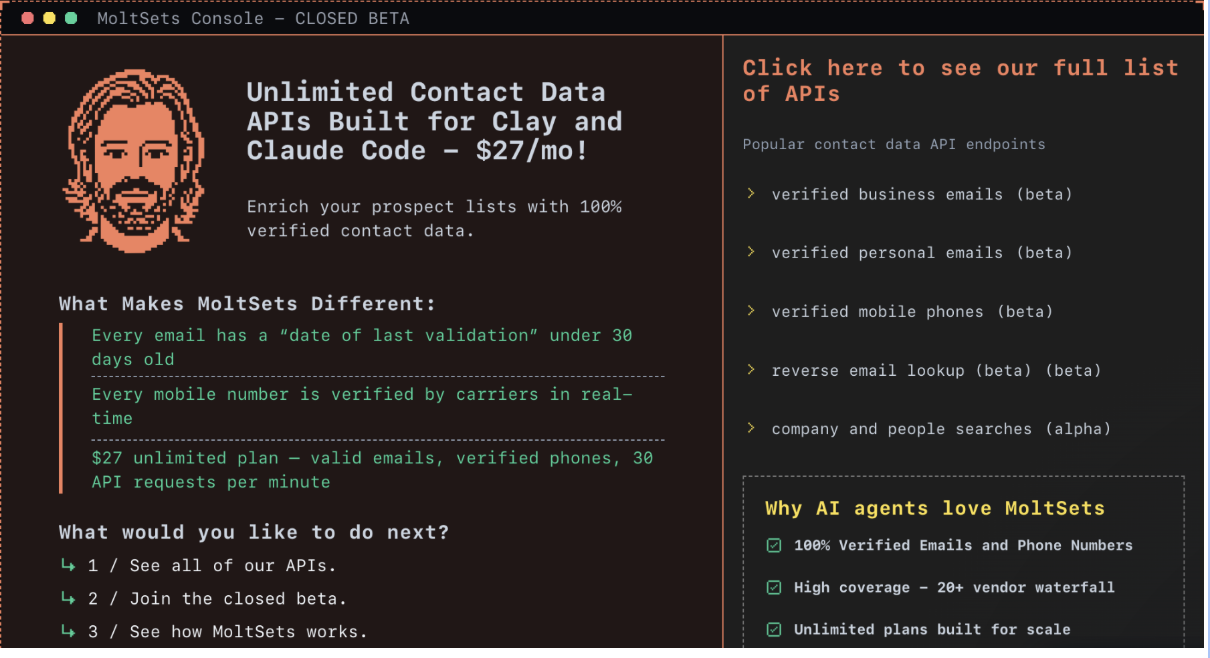
MoltSets is the best Clay alternative for GTM engineers. It's built specifically to fill the gap left by Clay's pricing and UI complexity. It's an enrichment API. This means no workflow builder and no dashboard to navigate, just an API call that returns clean GTM data.
For teams using Claude Code to automate prospecting or outreach, MoltSets is the only option on this list. It's purpose built for that use case. Claude Code can't use a UI. It needs an API. MoltSets is that API.
Key Features
People and company search APIs
Contact and company enrichment data including emails, phone numbers, and firmographic data accessible via API
Email validation API to keep lists clean and reduce bounce rates
No UI/UX by design; the first GTM data product built exclusively for AI agents and Claude Code
GTM list-building built for programmatic, agent-first workflows
Pricing
Free
$27/month
$97/month
$997/month
$497/month
For agencies or teams doing high volume, the math is straightforward.
Pros
Purpose-built for Claude Code and AI agent workflows
Excellent for high-volume teams
Dead simple for simple use cases: API call in, data out, no workflow builder overhead
Flat pricing means costs don't scale with every enrichment call
Cons
No visual workflow builder: built for technical users comfortable with APIs
2. Apollo.io
Best for: Teams that want a full-suite prospecting platform with a large contact database
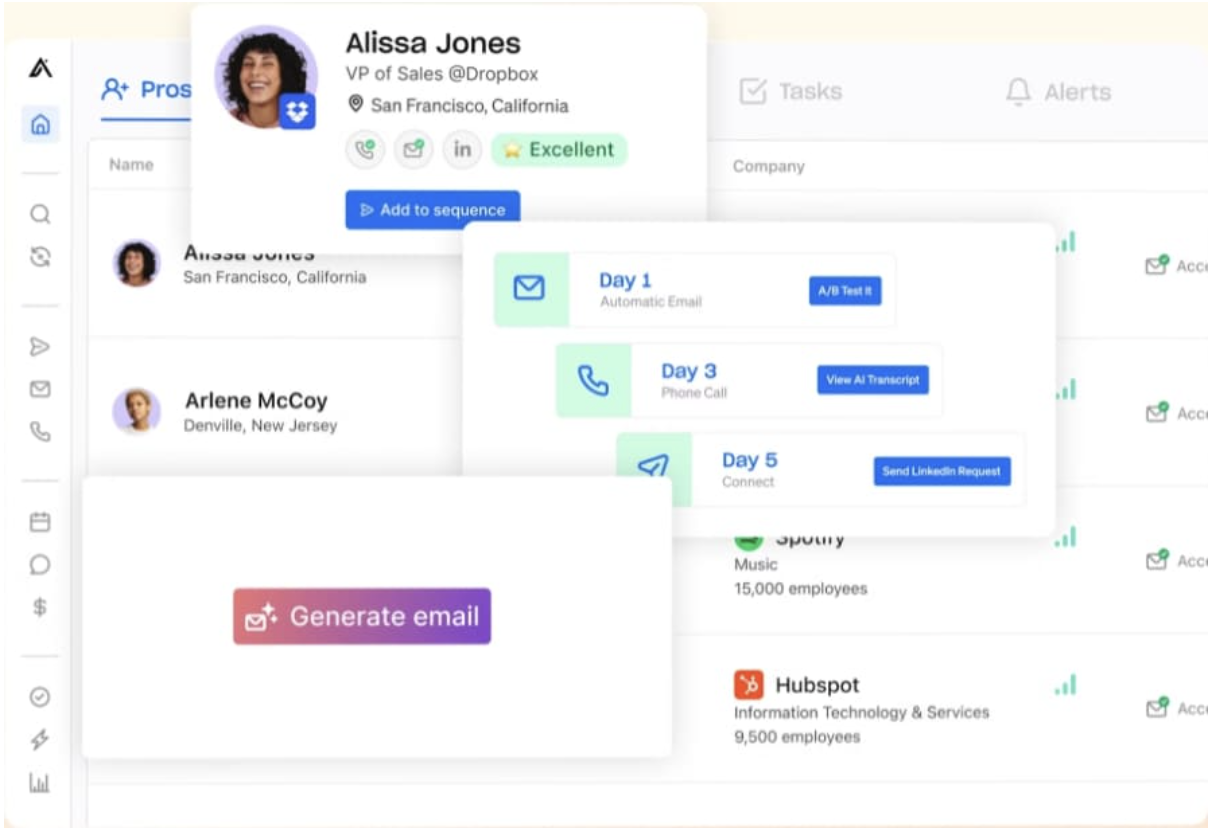
If you want one login for prospecting, sequencing, and basic CRM, Apollo is still hard to beat. It offers a database of 275M+ contacts and companies, built-in sequencing, email verification, and a CRM-lite interface. It's a whole prospecting platform, not just an enrichment API.
Where Clay focuses on enrichment flexibility and workflow orchestration, Apollo focuses on giving sales and growth teams everything they need in one place. From finding prospects to reaching out to them, Apollo handles it all.
Key Features
275M+ contact and company database with 200+ search filters
Built-in email sequencing and multi-channel outreach automation
Chrome extension for LinkedIn prospecting
CRM integrations with Salesforce, HubSpot, and others
Pricing
Free
Basic: $49/month
Professional: $79/month
Organization: $119/month
Pros
Large contact database is useful for high-volume prospecting
The generous free tier lets you test meaningfully before committing
All-in-one platform reduces the need for separate outreach tools
Cons
Credit-based model gets expensive fast at volume
API access is limited on lower tiers, making agent workflows difficult
3. UpLead
Best for: Sales teams that want high-accuracy verified contact data without enterprise pricing
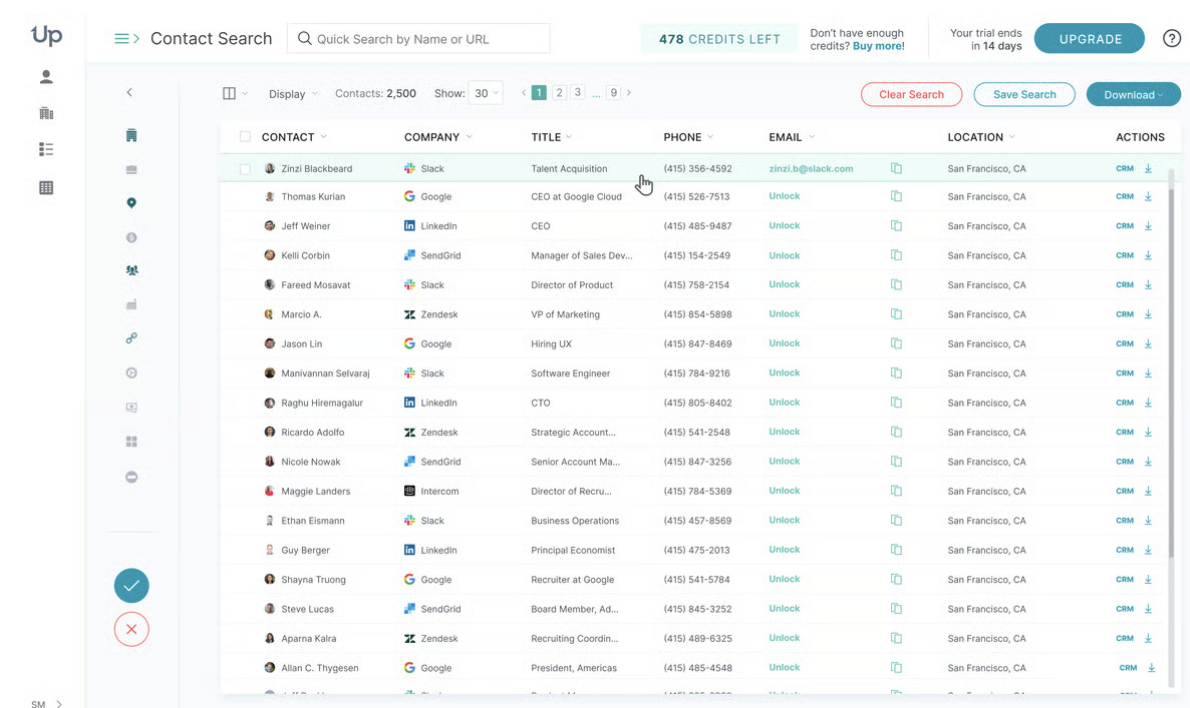
If you're leaving Clay because you're tired of paying for inaccurate contacts, UpLead is one of the best alternatives. It's a B2B prospecting platform built around one core promise: 95% data accuracy with real-time email verification at the point of export. You are charged a credit only once the email is verified, which helps keep data quality high and wasted spend low.
It covers the essentials cleanly. You find a contact, verify the data, and push it to your CRM. For teams that have been burned by low match rates or stale data from larger databases, UpLead's verification-first approach is a meaningful differentiator.
Key Features
Real-time email verification at export, with credits only charged on verified results
95%+ claimed email accuracy with mobile direct dials included
50+ search filters for building highly targeted prospect lists
CRM integrations with HubSpot, Salesforce, Zoho, Pipedrive, and 1,500+ apps via Zapier
Pricing
Free
Essentials: $99/month
Plus: $199/month
Professional: Custom pricing
Pros
Verification-first model means you're paying for contacts that actually work
No sales call required to understand costs
Wide CRM compatibility on entry-level plans
Cons
Credits don't roll over; unused credits are lost at the end of each billing cycle
Limited native sequencing and automation functionality
4. Hunter.io
Best for: Simple, reliable email finding and verification
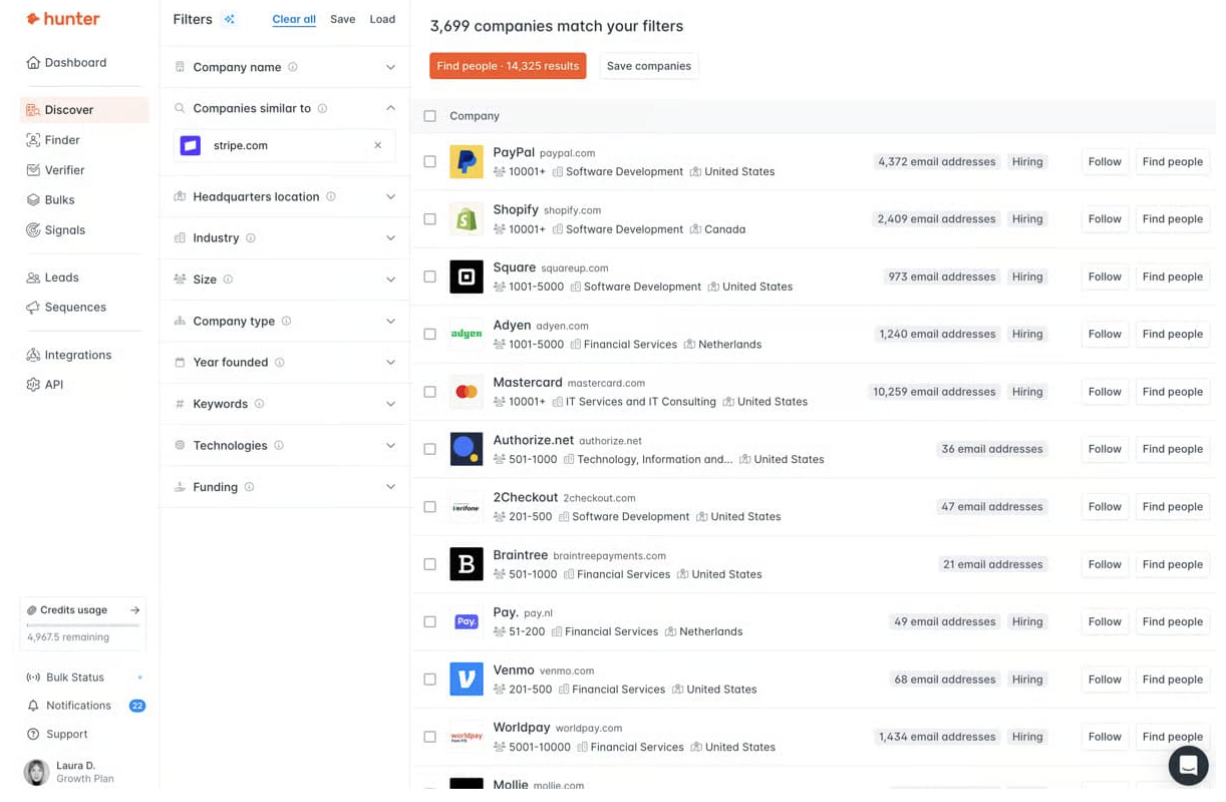
Hunter does one thing and does it well: finding professional email addresses. You give it a domain or a person's name, and it returns an email address complete with a confidence score and verification status.
It's not a Clay replacement in the full sense. But if email finding is the specific capability you need, Hunter offers it cleanly, at a fraction of the price, with a well-documented API.
Key Features
Domain search to find all emails associated with a company
Email Finder for specific name + company lookups
Email verification with deliverability scoring
Clean REST API with comprehensive documentation
Pricing
Free
Starter: $34/month
Growth: $104/month
Scale: $209/month
Enterprise: Custom
Pros
Best-in-class for domain-based email discovery
Generous free tier is genuinely usable for small-scale prospecting
Clean, well-documented API for easy integration
Cons
Email-only, which means no phone numbers, firmographics, or broader enrichment
Effective enrichment rate benchmarked at ~32.5%, meaning many lookups return nothing
5. Lusha
Best for: Sales teams that need fast B2B contact data with phone numbers
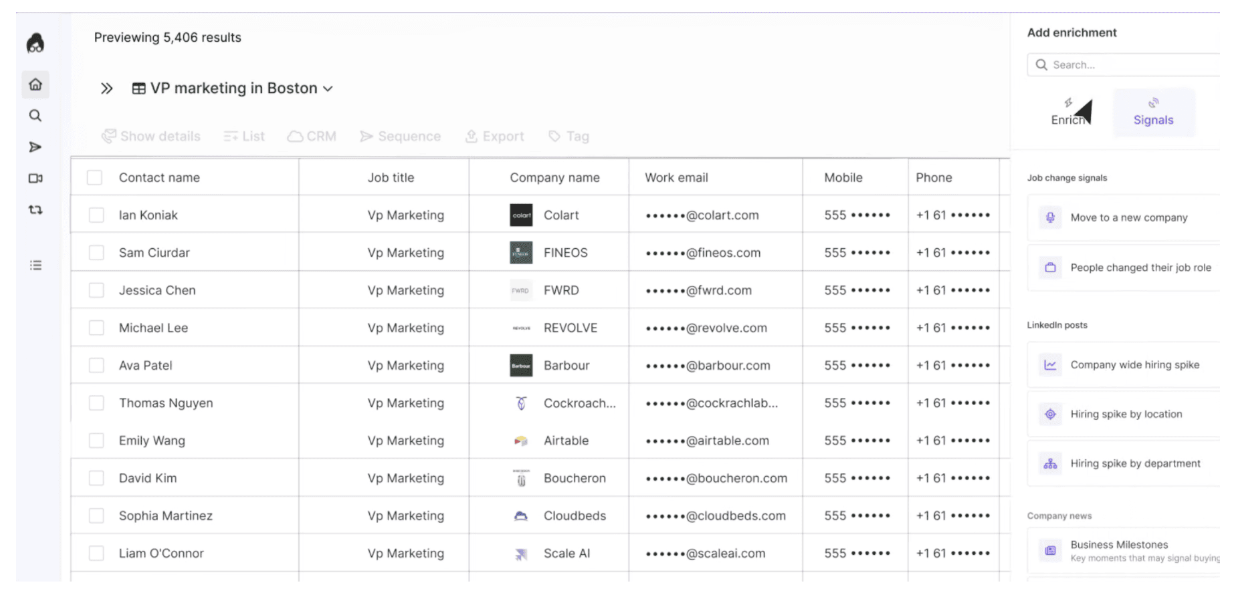
Lusha is a Clay alternative built for sales reps who spend their day prospecting. As a B2B contact data platform, it has a strong focus on direct-dial phone numbers and email addresses. It's popular with sales teams that do cold calling, where accurate mobile numbers matter more than sophisticated workflow automation.
The interface is simple and fast. Simply find a contact, get their data, and push it to your CRM. The browser extension for LinkedIn makes it a favorite for reps prospecting in real-time.
Key Features
Direct dial and mobile phone numbers with strong accuracy
LinkedIn Chrome extension for in-session contact lookups
Bulk list enrichment for uploading and enriching contact files
CRM integrations (Salesforce on Scale plan, HubSpot on lower tiers)
Pricing
Free
Pro: $37.45/month per user
Premium: $59/month per user
Scale: Custom pricing based on team size
Pros
Phone number accuracy is a genuine differentiator for call-heavy sales teams
Simple, fast UX; minimal learning curve
Per-user pricing makes costs predictable for small teams
Cons
Salesforce CRM integration locked to the Scale (enterprise) plan
Credit costs spike fast for teams doing high-volume enrichment
6. Breeze Intelligence
Best for: HubSpot-native teams that want enrichment without adding another tool to their stack
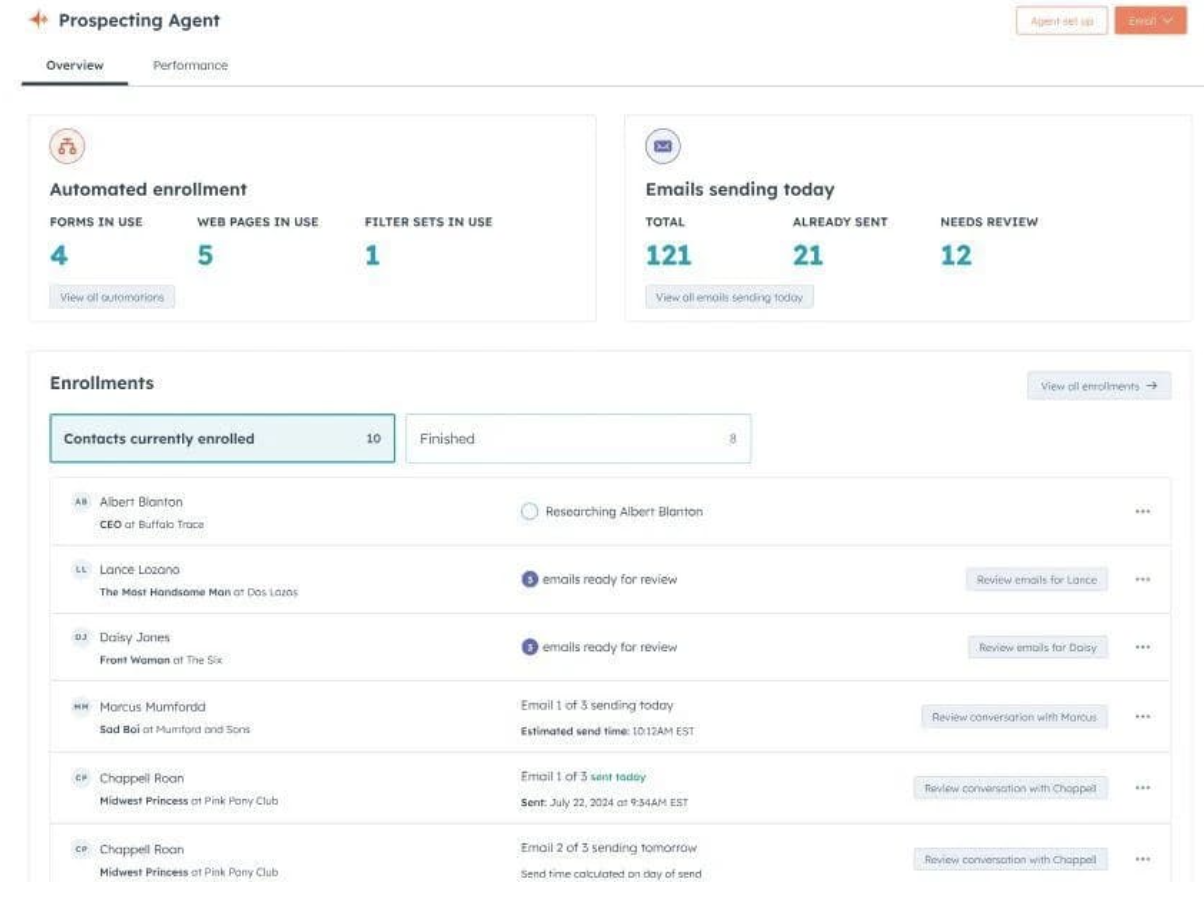
Breeze is a great fit if you're already paying for HubSpot. It built its reputation as the gold standard for firmographic enrichment, which is clean, reliable data about companies and the people who work at them. HubSpot acquired it as Clearbit in late 2023 and rebranded it as Breeze Intelligence.
The product is now deeply integrated into the HubSpot ecosystem. If you're a HubSpot shop, this is a natural fit. If you're not on HubSpot, it's effectively unavailable to you.
Key Features
Company and contact enrichment with deep firmographic and technographic data
Buyer intent signals and website visitor identification
Form shortening to reduce friction using known data
Native HubSpot integration with workflow triggers
Pricing
Custom pricing through HubSpot.
Pros
Good data quality for firmographic and technographic enrichment
Zero integration friction for existing HubSpot users
Standard contact enrichment is free on paid HubSpot plans
Cons
Unusable without a HubSpot subscription
Layered credit system makes costs genuinely difficult to predict
7. Exa.ai
Best for: AI-native teams that need semantic search and web data retrieval for agent workflows
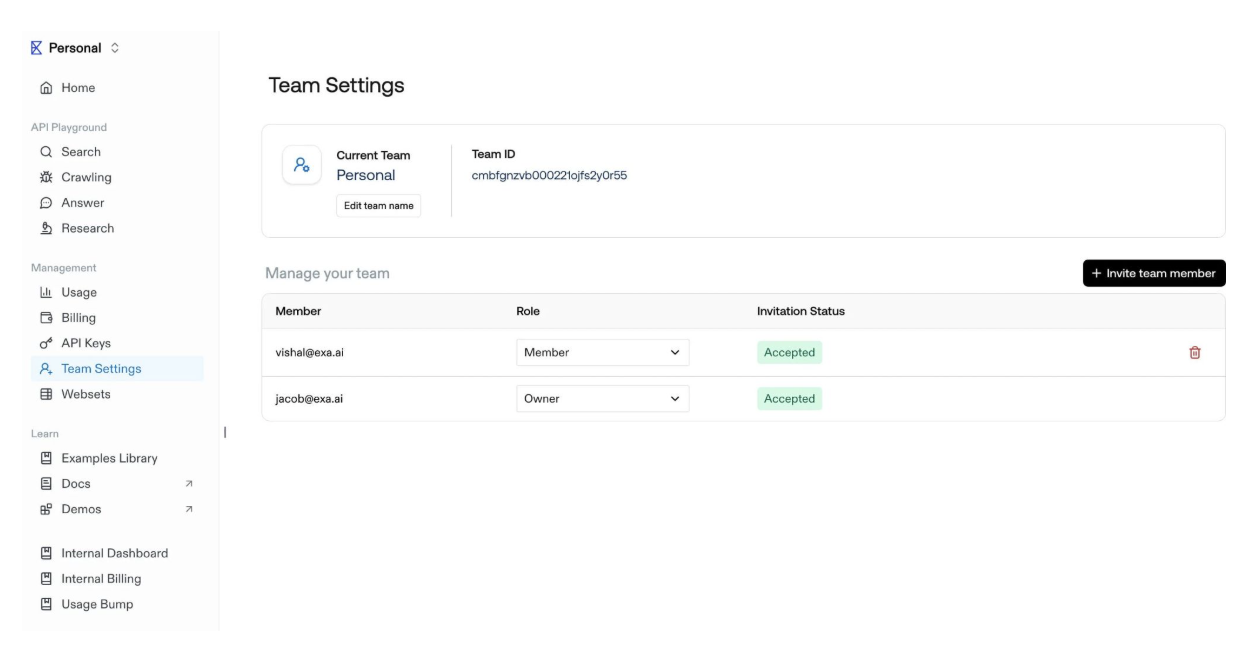
Exa is doing something meaningfully different from the other tools on this list. Rather than a static database of contacts, Exa provides a semantic search API that queries the live web for structured information. It's built from the ground up for LLM and AI agent use cases.
It's not a drop-in Clay replacement for traditional list enrichment. But for research-heavy GTM workflows, signal detection, and building context around prospects, it belongs in any AI-native stack.
Key Features
Neural (semantic) search returning structured, LLM-ready results
Full page content retrieval with configurable crawl policies
Websets for building and maintaining entity lists programmatically
Free tier for testing without a credit card
Pricing
Free (1,000 searches/month)
Search: $7/1K runs
Deep Search: $12-15/1K runs
Agent: $0.012–$2.00/run
Contents: $1/1k pages per content type
$15/1k requests
Pros
Built natively for LLM and AI agent consumption
Semantic search returns intent-matched results, not just keyword hits
Live web data means no staleness problem
Cons
Not a contact enrichment database
Best understood as a complement to enrichment tools, not a full replacement for Clay
8. Seamless.AI
Best for: Sales teams that want real-time contact data with daily-refreshed credits
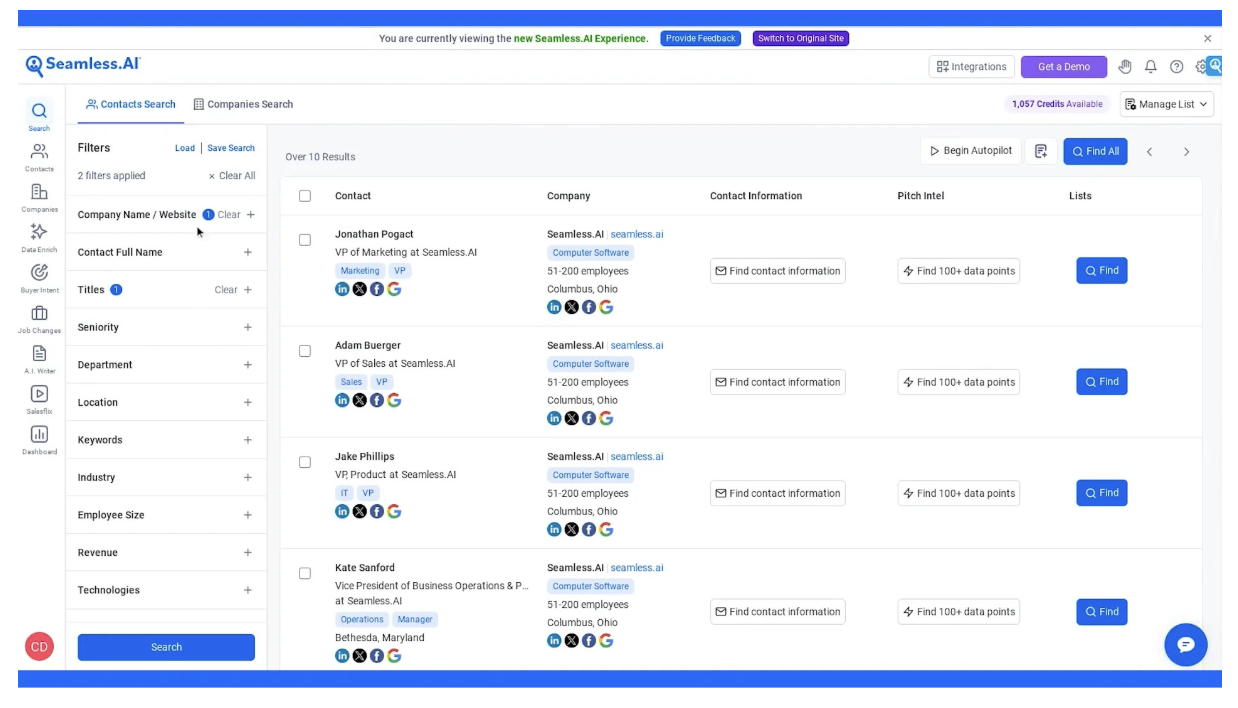
Seamless.AI is a Clay alternative that markets itself on real-time data verification. Contacts are checked dynamically rather than pulled from a static database. It's built for sales teams that do high-volume prospecting and need fresh data each day.
The daily credit refresh model is useful for teams doing consistent outbound. The trade-off is that unused credits don't roll over, which rewards daily use and penalizes occasional use.
Key Features
Real-time search engine with live contact verification
Daily-refreshed credit model for consistent outbound teams
AI-powered prospect recommendations
Integrations with Salesforce, HubSpot, and Zoho
Pricing
Custom pricing.
Pros
Real-time verification improves data freshness vs. static databases
Daily credit refresh suits high-volume outbound teams
Robust CRM integrations on all plans
Cons
Pricing requires sales consultation
Multiple user reports of aggressive renewal terms and difficulty cancelling
Which Clay Alternative Is Right for You?
The honest answer depends on why you're leaving Clay.
If Clay's pricing is the primary issue and you're doing high-volume enrichment, the flat-rate models (MoltSets, Seamless.AI unlimited) change the math significantly.
If Clay's complexity is the issue for a simple use case, Hunter.io or Lusha will cover most teams that just need email and phone data without the workflow overhead.
If you're building AI-native GTM workflows with Claude Code or other agents, MoltSets and Exa.ai are the Clay alternatives to look at.
If you're a HubSpot shop, Breeze Intelligence deserves a serious look before you evaluate standalone tools.
Ready to Move Beyond Clay?
Clay works well enough as a powerful enrichment and workflow platform. But if your team is hitting credit walls, paying for complexity you don't need, or trying to pipe clean data into Claude Code and AI agents, it's time for a different approach.
Next-gen enrichment tools like MoltSets are built for how GTM actually works in 2026 and beyond. It's an API-first contact data platform with flat-rate unlimited pricing. Plus, there's no dashboard to navigate, no credits to manage, and no UI overhead slowing down your agents.
There are no surprise overage bills mid-campaign, no workflow builder tax for teams that just need clean data, and no architecture mismatch when Claude Code needs to make a straight API call.
Ready to get started with MoltSets? Sign up for free.
Frequently Asked Questions
1. What Is the Best Free Clay Alternative?
MoltSets is the best Clay alternative for teams seeking API-first enrichment without credit-related anxiety. It offers a generous free plan that
2. How Does Clay's Pricing Compare to MoltSets?
Clay charges based on credits and usage tiers that quickly become expensive at volume. MoltSets uses flat-rate unlimited pricing starting at $27/month, so your costs don't scale with every API call. For agencies and AI agent workflows that perform high-volume enrichment, the difference in math is significant.
3. Which Clay Alternative Is Best for AI Agent and Claude Code Workflows?
MoltSets is the best option for AI-native GTM workflows. It's built as a pure API-agentic platform with no UI or dashboard. You get clean programmatic access to enrichment data. Claude Code and other agents can call it directly without any workarounds. Exa.ai is also worth pairing with for semantic search and signal detection.
4. Does MoltSets Have a Free Plan?
Yes. MoltSets has a free plan with 1000 API calls, 1000 requests/minute, and more. It also has paid plans starting at $27/month, with unlimited API calls subject to a controlled rate limit.
5. What Should I Look for When Choosing Between Clay Alternatives?
Start with architecture: do you need a UI or an API?
Next, consider the pricing model: flat-rate vs. credit-based matters a lot at volume. Then, data coverage, email only, or phones and firmographics too?
Finally, ask whether the tool was built for human users, AI agents, or both. MoltSets stands out for API-first access, predictable costs, and verified data for teams building agent-based GTM motions.